
Last updated: April 2026 · Reading time: 8 minutes
If you've camped or hiked anywhere in Australia in summer, you already know: dehydration is the fastest way to ruin a trip, and the most common cause of emergency call-outs in our national parks. Our conditions are harsher than most realise — 35°C+ days, UV index 11+, low humidity that dries you out without you noticing, and water sources that can be hours apart.
This guide covers exactly how much water to carry, how to store it, how to purify it, and which gear is worth your money.
How much water do you actually need?
Standard rule for Australian conditions:
- Day hike (moderate, 20°C): 500ml per hour of walking, minimum 2L total.
- Day hike (hot, 30°C+): 750ml–1L per hour, minimum 3L total.
- Overnight camping: 4L per person per day (drinking + cooking + basic washing).
- Multi-day hike in summer: 5L+ per person per day, planned around known water sources.
These numbers are based on Parks Australia and St John Ambulance WA guidelines. Underestimating is the #1 mistake new hikers make.
How to carry it
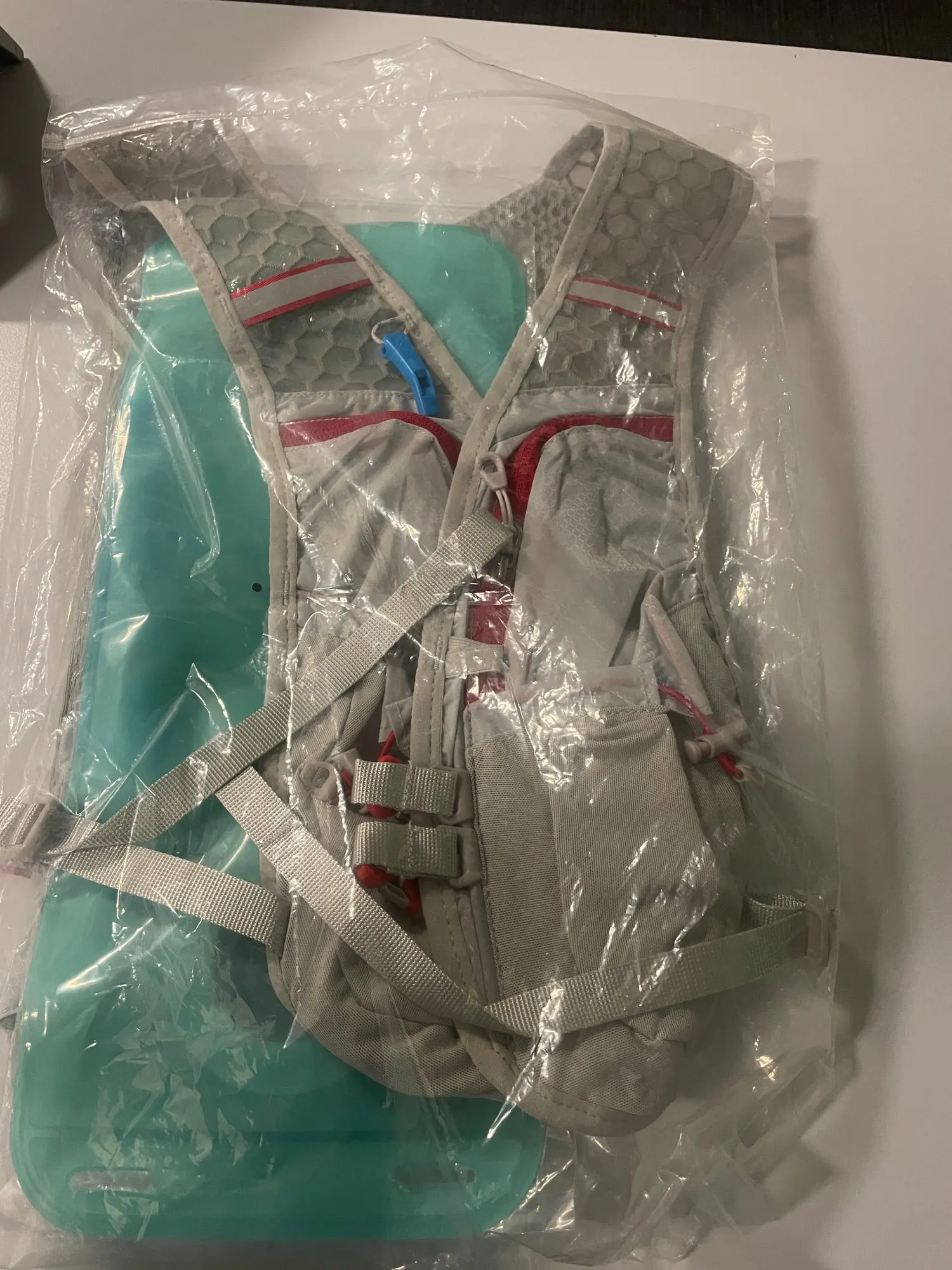
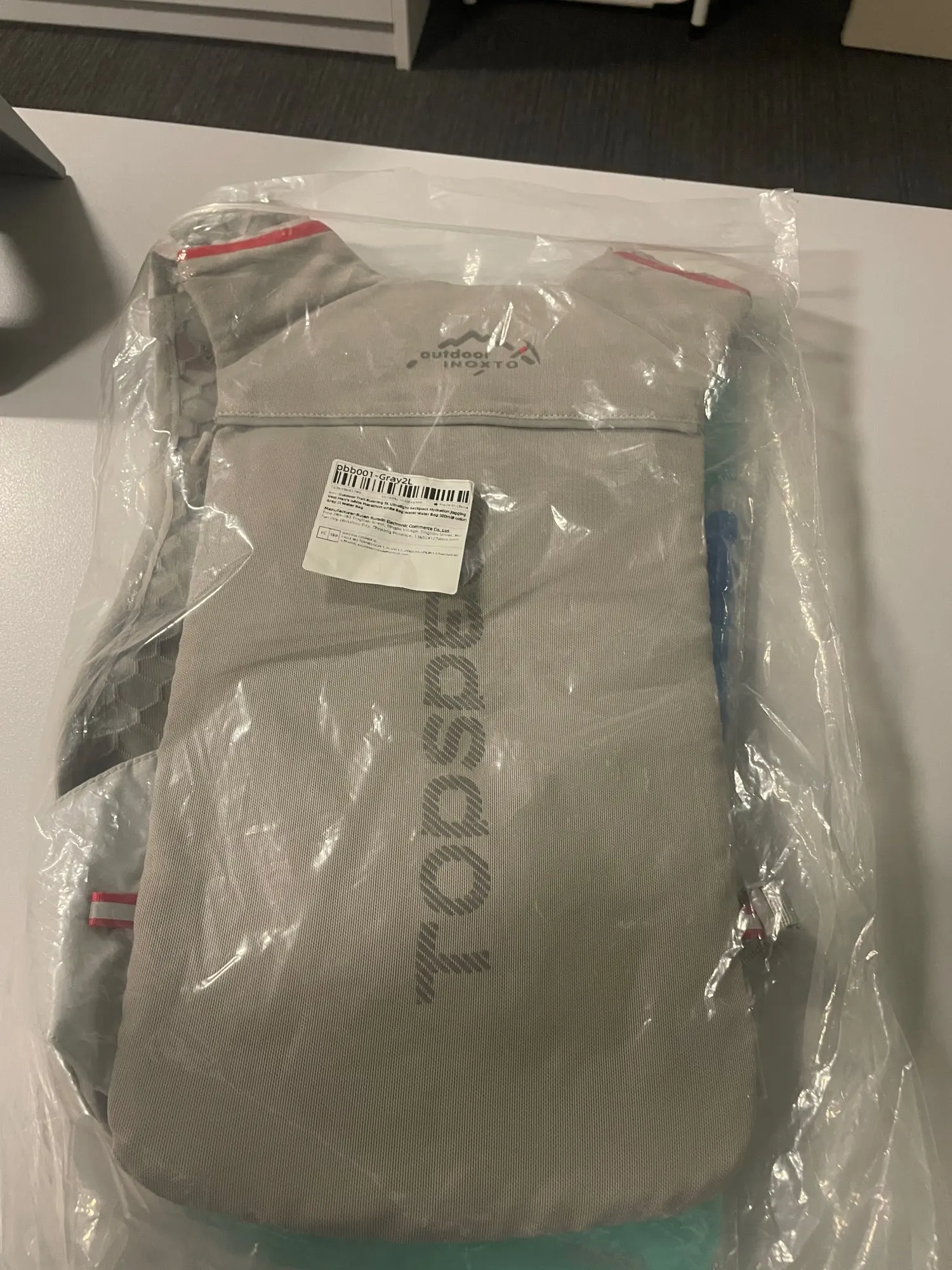
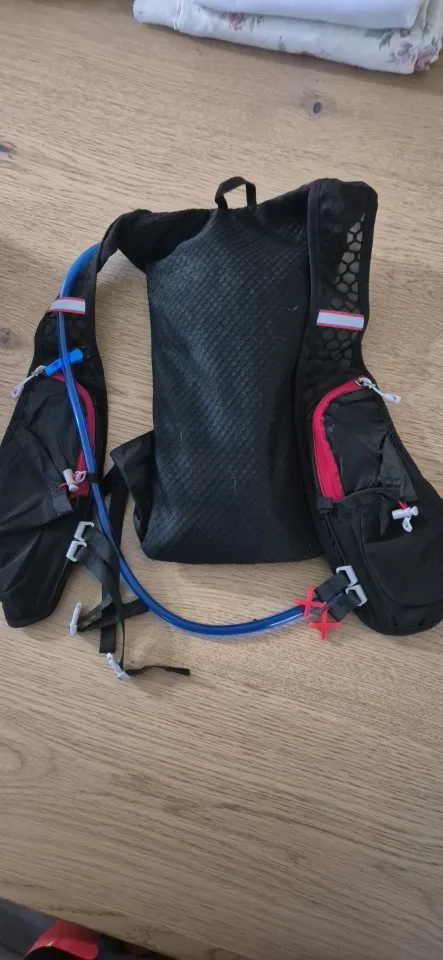
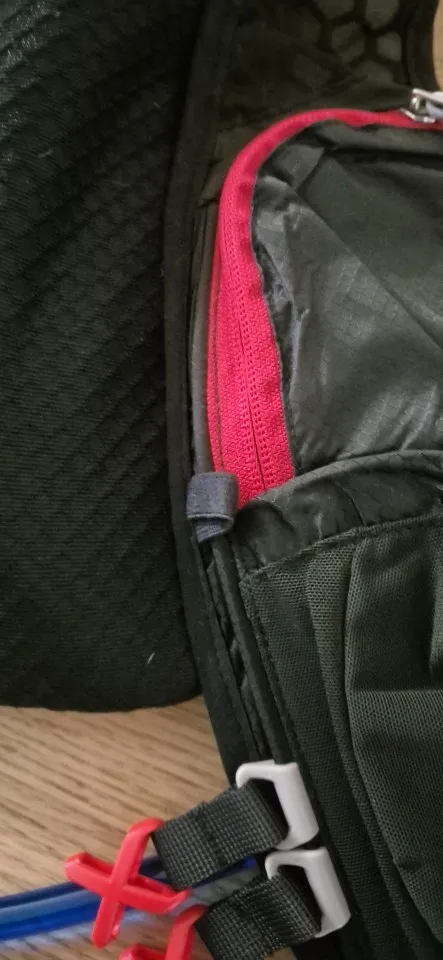
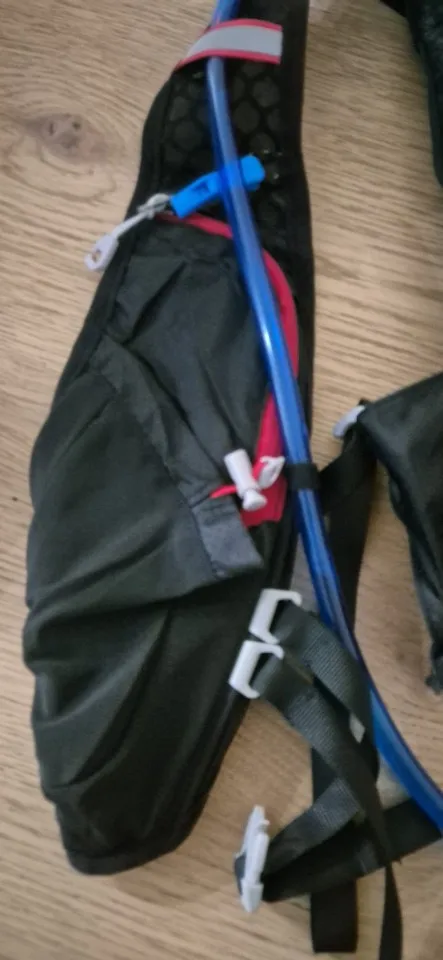
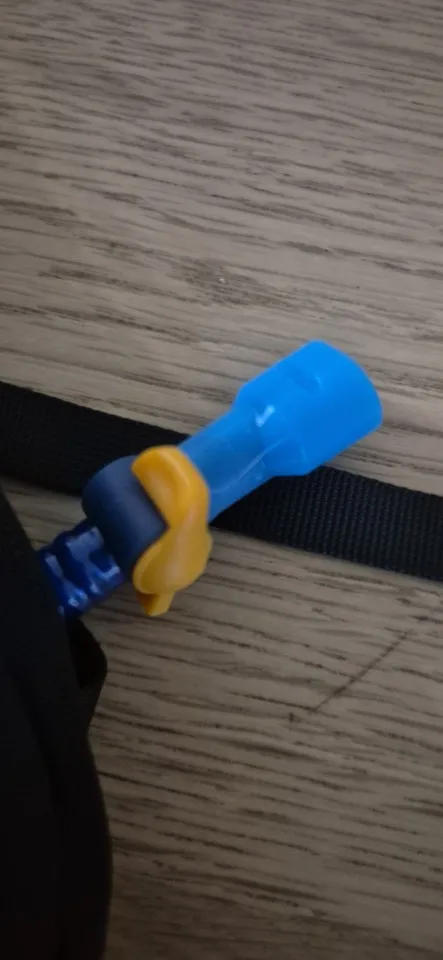
Hydration bladder (2–3L): The best way to drink while walking. You sip through a hose, so you drink constantly instead of waiting for "thirsty". That alone prevents most dehydration.
Hard-sided bottles (1L × 2): Backup capacity, easier to share, useful for mixing electrolytes.
Collapsible water bag (5–10L): For base camp. Fill at the water source, carry back to your tent.
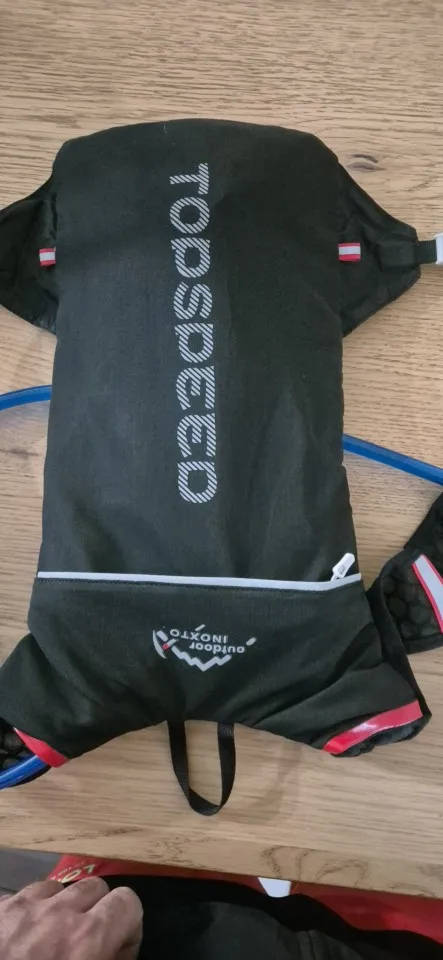
The pro setup: 2L bladder in your pack + 1L bottle in a side pocket + 5L collapsible for camp.
Sourcing water in the bush
Never assume any Australian water source is safe to drink untreated. Even clear mountain streams can contain giardia, cryptosporidium, leptospirosis and cattle/kangaroo contamination. Treat everything.
Chemical tablets (Aquatabs): Cheapest, lightest, always work. Wait 30 minutes. Slight chlorine taste.
Filter (like a Squeeze or Sawyer): Fast, no waiting, no taste. Doesn't kill viruses (rare in Australia).
UV pen (SteriPen): Kills everything. Requires batteries. Best for clear water.
Boil: 100% effective but takes fuel and time. 3-minute rolling boil.
Best combo: a filter for daily use + tablets as backup.
Electrolytes matter more than you think
Drinking only water on long, hot days can actually make dehydration worse — you dilute your sodium levels and your body can't absorb water efficiently. Add an electrolyte tab to one bottle per day in summer. It's the difference between finishing strong and cramping on the descent.
Signs you're already dehydrated
- Dark yellow or amber urine (normal = pale straw colour)
- Headache that started in the afternoon
- Feeling unusually tired for the effort
- Dry mouth, not sweating much
- Cramping in legs or hands
At the first sign, stop, find shade, drink slowly (not chugging), add electrolytes. Don't push through.
FAQ
Can I drink from desert waterholes? Only after treating. Many are contaminated by livestock or wildlife.
Is rainwater safe? Generally yes if collected cleanly, but roof-collected water can have bird droppings. Treat to be safe.
What about ultralight hikers? Even ultralighters carry 1–2L and plan routes around reliable water sources. Don't skimp here.
Ready to gear up?
Browse our Camping & Hiking collection for hydration bladders, bottles, and water storage. Free shipping over $99.